

When Nature and Technology Collided
Some disasters feel distant when we read about them in history books. Others leave a scar that the world never forgets. The events of March 11, 2011 belong to the second category. On that day, a massive earthquake and tsunami struck Japan and triggered a nuclear crisis at the Fukushima Daiichi Nuclear Power Plant.
The documentary Fukushima: A Nuclear Nightmare, directed by James Jones and Megumi Inman, returns to that terrifying moment with a gripping and emotional narrative. Instead of focusing only on the technical side of the disaster, the film highlights the human stories that unfolded behind the headlines.
This Fukushima: A Nuclear Nightmare myflixer review explores how the documentary balances historical explanation with deeply personal accounts of the people who lived through the crisis.
A Clear and Tense Retelling of the Disaster
The documentary begins by recreating the chain of events that led to the meltdown. A powerful earthquake struck the northeast coast of Japan. Soon after, a towering tsunami crashed into the shoreline and flooded critical infrastructure.
Inside the nuclear facility, electricity systems failed. Without power, the cooling mechanisms that kept the reactors stable stopped working. Heat began building rapidly inside the reactors, pushing the plant toward a dangerous meltdown.
The film explains these events using visual diagrams and archival footage. These visual aids help viewers understand how a series of technical failures quickly turned into an international emergency. The storytelling remains simple yet effective, making complex nuclear processes easier to grasp.
Rather than overwhelming the audience with scientific jargon, the documentary keeps its focus on the unfolding crisis and the decisions people had to make under pressure.
The Courage of the Workers Who Stayed Behind
One of the most compelling aspects of the film lies in its portrayal of the workers who refused to abandon the plant during the crisis. When the scale of the disaster became clear, many employees evacuated. Yet a small group stayed behind to stabilize the reactors and prevent a larger catastrophe.
These individuals later became known as the Fukushima 50.
The documentary gives these workers the attention they deserve. Interviews reveal the fear and uncertainty they experienced while dealing with radiation risks and exploding reactors. The film does not present them as action heroes. Instead, it shows them as ordinary people who understood the stakes and chose to continue working.
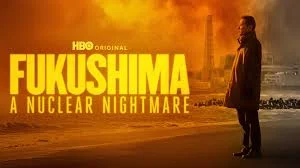
One emotional moment focuses on engineer Ikuo Izawa, who recalls sending a final message to his family before returning to the reactor site. His testimony captures the weight of the decision these workers faced.
Through stories like this, the documentary transforms a large-scale disaster into a deeply human narrative.
Archival Footage That Brings the Crisis to Life
Another major strength of the documentary lies in its use of real footage from the time of the disaster. News broadcasts, emergency recordings, and video from the plant area recreate the chaotic atmosphere of those days.
The explosions that shook the reactors appear particularly haunting. Massive plumes of smoke rise into the sky while authorities struggle to contain the situation. These images remind viewers that the disaster unfolded in real time while millions around the world watched the news in disbelief.
A tense musical score supports these visuals without overpowering them. The soundtrack quietly heightens the sense of urgency and uncertainty.
Because of this careful editing, the film maintains a gripping pace even though the outcome of the disaster is already known.
Where the Documentary Feels Limited
Despite its strengths, the film occasionally repeats certain explanations about the reactor failures. These moments slightly slow the narrative and make some sections feel stretched.
The documentary also focuses primarily on the immediate crisis rather than the long-term aftermath. While the film acknowledges evacuations and radiation concerns, it spends less time exploring how the disaster reshaped Japan’s energy policies and nuclear regulations.
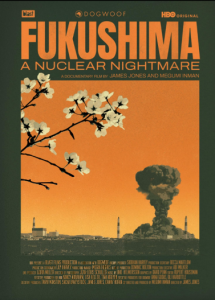
However, the narrower scope keeps the storytelling focused. The documentary chooses to highlight the intense days when the disaster was unfolding rather than turning into a broad political analysis.
Final Thoughts on the Documentary
By the end of the film, viewers understand that the story of Fukushima is not just about technology failing during a natural disaster. It is also about responsibility, courage, and the people who stepped forward when the situation looked impossible.
This Fukushima: A Nuclear Nightmare review shows that the documentary succeeds in presenting a gripping and emotional retelling of one of the most frightening moments in modern history. The film respects the workers who risked everything while reminding audiences how fragile even advanced systems can be when nature strikes with full force.